Cassus had rebounded from the unsolved disappearance of Nomad. Its existence had been willfully forgotten, deleted to obscure footnote status in encyclopedia overviews of the space age's infancy. Like many cultures before it, the Commonwealth was disinclined to publicize its missteps.
But although the ship itself was all but forgotten, Nomad's hard lesson was not: the universe was a strange and dangerous place. Its conquest was unlikely to be a cakewalk. But when it came to territorial expansion, the Cassians were patient. They would conquer the cosmos piecemeal, one planet at a time. Instead of single recon craft, they now dispatched squadrons of colonization ships, escorted by heavily armed frigates.
There were other reasons for militarizing space exploration. While dissent was virtually unknown on Cassus and always rapidly quelled, it was a different story in the colonies, where decades of hard toil in dreary backwaters had predictable results on the loyalties of even its most exalted denizens. Changes in command from deaths or defections mounted.
But such bleak conditions also produced exceptional warriors. The greatest among these was Tresayne Toria. Contemptuously disregarding her own ancient and illustrious antecedents to become the youngest and most famed swordmaiden in history, by age nineteen she and her mostly female disciples had brought dozen of bickering warlords throughout the far-flung colonies to heel, restoring dozens of worlds to the rapidly expanding Commonwealth.
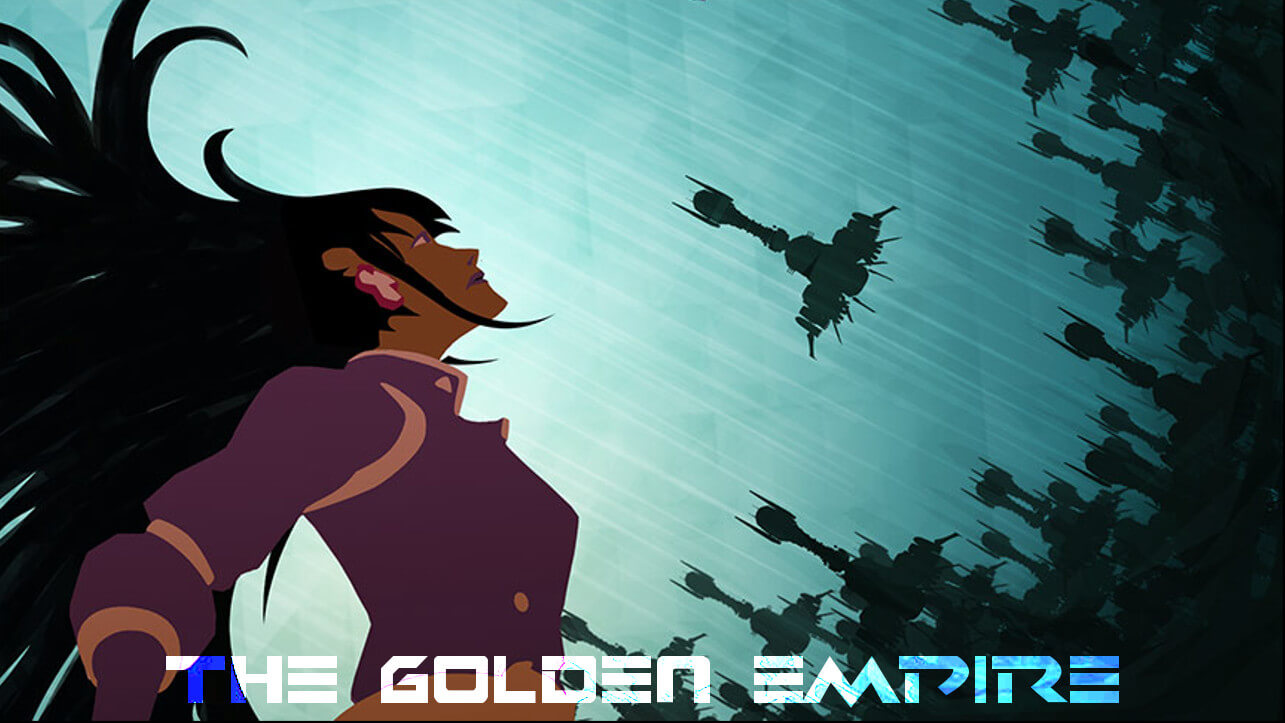
Then came the day when the Mechari armada darkened the skies over Meridia to tender their proposal.
Ultimately, Tresayne accepted. Accompanied by several hundred of her sisters-in-arms who refused to be separated from her, she boarded the Mechari ship. A week later, the fleet departed.
Over the ensuing decades, these events were unceasingly dissected and mythologized, with even the authenticity of the recordings themselves subject to fierce debate. Even some who had been present that day began to doubt the veracity of their memories.
Then, thirty-one years to the day after their departure, the ships returned. This time, an organic emerged.
 Source: World Story